

When buying, selling, or refinancing a home, timing plays an important role. One of the most common questions homeowners ask is how long does a home appraisal take and what actually happens during the process. While the on-site visit is the most visible part of an appraisal, it represents only one step in a multi-phase evaluation designed to produce an accurate and defensible opinion of value.
Understanding how the appraisal process works helps set realistic expectations and can reduce unnecessary stress during a real estate transaction.
Phase 1: Scheduling the Appraisal
The appraisal process begins once the appraisal is ordered, typically by a lender or directly by a homeowner. Scheduling depends on several factors, including appraiser availability, property location, and current market activity.
In active real estate markets, appointment windows may be slightly longer due to demand. Properties in rural areas or outside major population centers can also require additional coordination. While scheduling is usually straightforward, it is often the first factor that influences the overall appraisal timeline.
Phase 2: The On-Site Appraisal Inspection
The on-site inspection is the portion of the appraisal process most homeowners are familiar with. During the visit, the appraiser evaluates the property’s physical characteristics, measures the home, photographs key areas, and documents features that contribute to value.
The length of the appraisal appointment itself can vary based on several practical factors. Property size and layout matter, as larger or multi-level homes take longer to measure and document. The condition of the home also plays a role — recent renovations, additions, or custom features require closer review. Clear access to all areas of the property, including basements, garages, attics, and utility spaces, helps keep the inspection efficient. Homes with acreage, detached structures, or unique characteristics may take longer to evaluate, particularly in rural settings. While many inspections are completed in under an hour, the goal is always accuracy rather than speed.
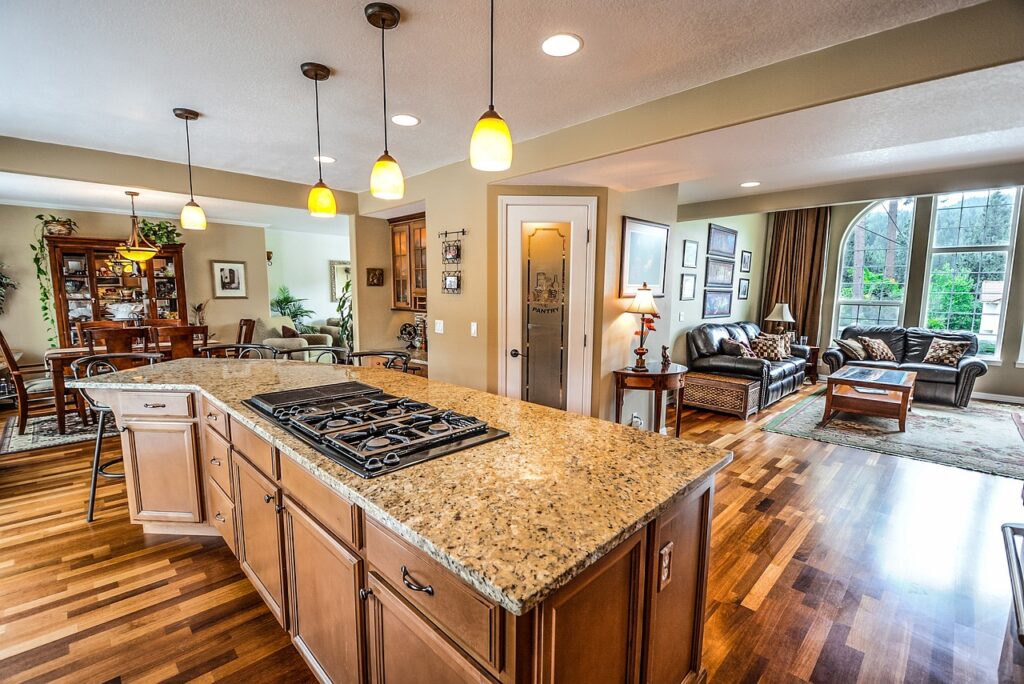
It is also important to note that the inspection is observational. Appraisers are documenting what is present, not conducting code inspections or cosmetic evaluations.
Phase 3: Market Research and Comparable Analysis
After the inspection is complete, the appraisal process continues off-site. This phase often takes longer than the appointment itself and plays a significant role in the final value conclusion.
The appraiser researches recent comparable sales, analyzes market trends, and applies adjustments based on differences in location, size, condition, and features. In markets with abundant sales data, this process may move efficiently. In rural areas or neighborhoods with limited comparable properties, additional analysis may be required to ensure the valuation is well supported.
When people ask how long does a home appraisal take, this research and analysis phase is frequently overlooked, even though it represents a substantial portion of the appraiser’s work.
Phase 4: Report Writing and Review
Once the inspection and market analysis are complete, the appraiser prepares the formal appraisal report. This includes detailed descriptions, photographs, maps, supporting data, and a reconciliation of value conclusions.
Appraisal reports must meet industry standards and lender requirements, and many undergo internal quality checks before submission. Even when transactions are time-sensitive, this phase is not rushed. Clear documentation and accuracy are essential for lender acceptance and underwriting review.
How Long Does a Home Appraisal Take From Start to Finish?
From scheduling through report delivery, the full appraisal process typically spans several days. While timelines vary by property and market conditions, the inspection is only one part of the overall appraisal timeline.
The on-site visit may take under an hour, but research, analysis, and reporting require additional time to ensure a well-supported opinion of value. A thorough appraisal prioritizes reliability and consistency over speed.
Common Reasons Appraisals Take Longer Than Expected
Several factors can extend an appraisal timeline. Properties with limited comparable sales, unique construction, or non-standard features may require additional research. Rural locations often involve more complex land analysis. High market volume can affect scheduling and report turnaround times, and lender review requirements may occasionally prompt requests for clarification.
In most cases, extended timelines reflect the need for additional diligence rather than a problem with the appraisal itself.
Final Thoughts: Setting Realistic Expectations
A home appraisal is a structured evaluation designed to support informed decision-making for buyers, sellers, lenders, and property owners. Understanding the phases of the process helps clarify why timelines vary and why patience is sometimes necessary.
Rather than focusing solely on speed, a well-executed appraisal emphasizes accuracy, market awareness, and clear documentation.
Have questions about appraisal timing or scheduling? Contact Us to speak with a local appraiser and get clear, reliable guidance.